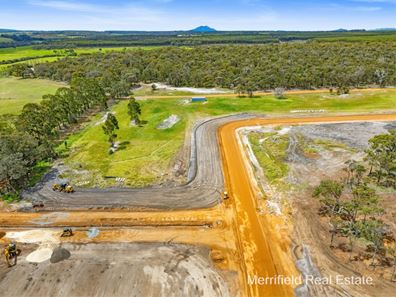
Lot 9 Kalganup Estate, Kalgan WA 6330
Offers Above $350,000
-
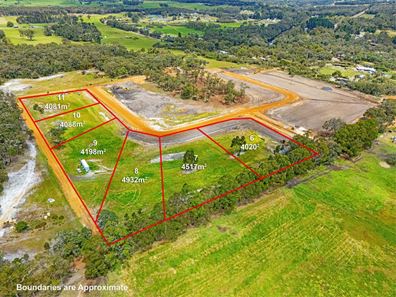
Landsize 4,198m2
Land
View
DESIGN YOUR FOREVER HOME
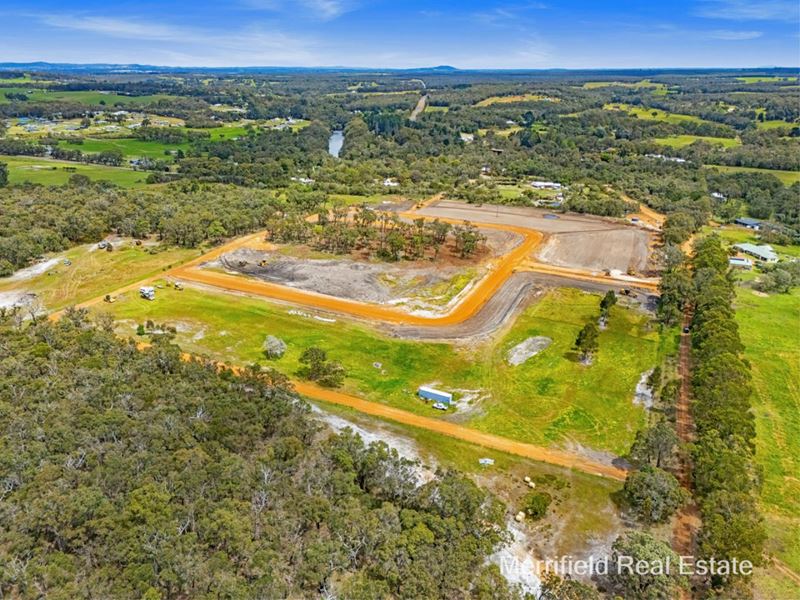
Design your forever home in a peaceful, nature-filled setting with modern convenience a short drive away. Build when you’re ready—no deadlines, just possibilities. Secure today and settle at title.
What you need to know:
• Lifestyle blocks in Kalgan – a 20 minute drive from Albany
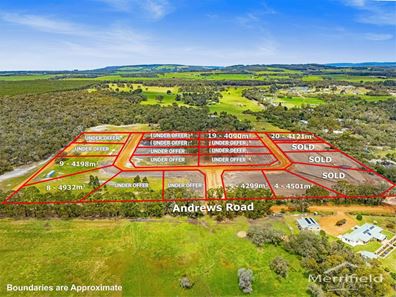
• Lot sizes approx. 3,400m² – 4,926m²
• Power will be available for connection
• Rainwater tanks & on-site effluent systems required
• Rural fencing (rear & sides) included
• BAL ratings provided
• Sealed internal roads
• No design guidelines or building timeframes
• Secure now with 5% deposit – settle when titles issue (early-mid 2026)
For more information, contact Jeremy Stewart or Stephanie Del Borrello at Merrifield Real Estate and start planning the life you’ve always dreamed of at Kalganup Estate.
Listing snapshot by reiwa.com
This land listing located in Kalgan has been listed for sale by Jeremy Stewart and Stephanie Del Borrello at Merrifield Real Estate.
If you would like to get in touch with Jeremy Stewart or Stephanie Del Borrello regarding this listing, please call Jeremy on 0439 940 976 or call Stephanie on 08 9841 4022, or contact the agent via email.
Nearby schools
Kalgan overview
The townsite of Kalgan is located in the south coastal region, about 21 kilometres northeast of Albany. It was gazetted a townsite in 1912 following the opening up of land in the area, but land had been put aside for a townsite here in 1837. The place was named "Wyndham" on an 1839 map of the area, but there was no subdivision or land made available in the townsite. It is recorded that it was to be the site of a farming community for the Society of Friends (Quakers), but there is no evidence that any Quakers ever settled in the area.
As there was already a Wyndham in the Kimberley when the town was gazetted in 1912, the name Kalgan was chosen for the townsite. Kalgan is the Aboriginal name of the river on which the townsite is situated, the name being first recorded by the explorer Dr A Collie as "Kalgan-up" in 1831. It is said to mean "place of many waters". The river had earlier been referred to as the "French River", since the French explored it in 1803.
Kalgan quick stats
High end
$1.1m
Median
$960k
Low end
$690k
13.6 %
Annual growth
$960k
Annual median sales price
N/A
Annual median rental price
Contact the agent