
"Little Brook Farm" – Where Lifestyle Meets Luxury
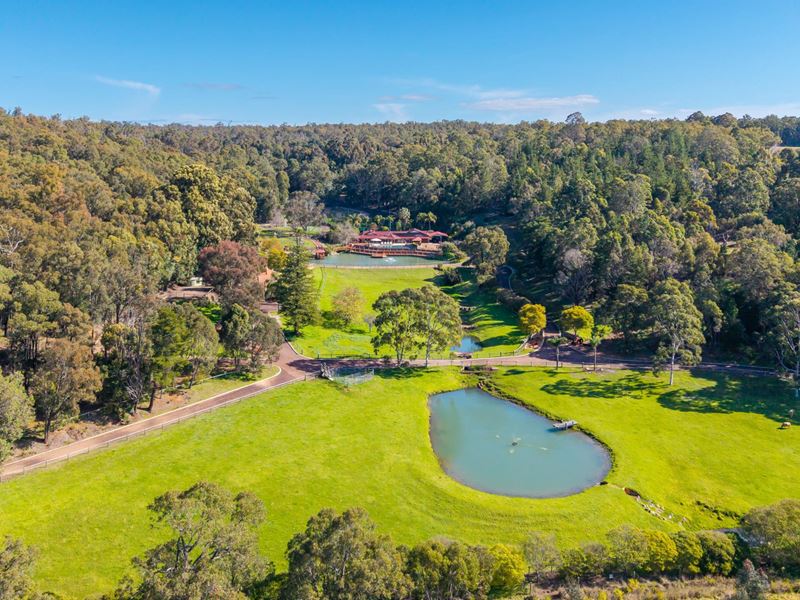
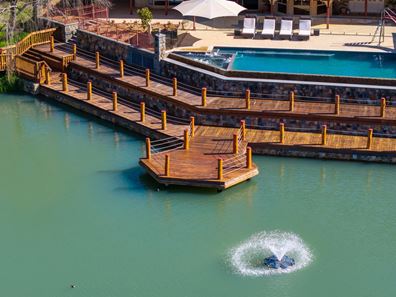
Every now and then you will find the ultimate property that takes your breath away. "Little Brook Farm" does this and more. From cascading streams, lakes and an infinity-edge pool, this is the start of the ultimate lifestyle. At Little Brook there is something for everyone.
On 22ha | 54ac of pristine countryside, this remarkable property combines resort-style living, heritage character and natural beauty.
Main Lake House
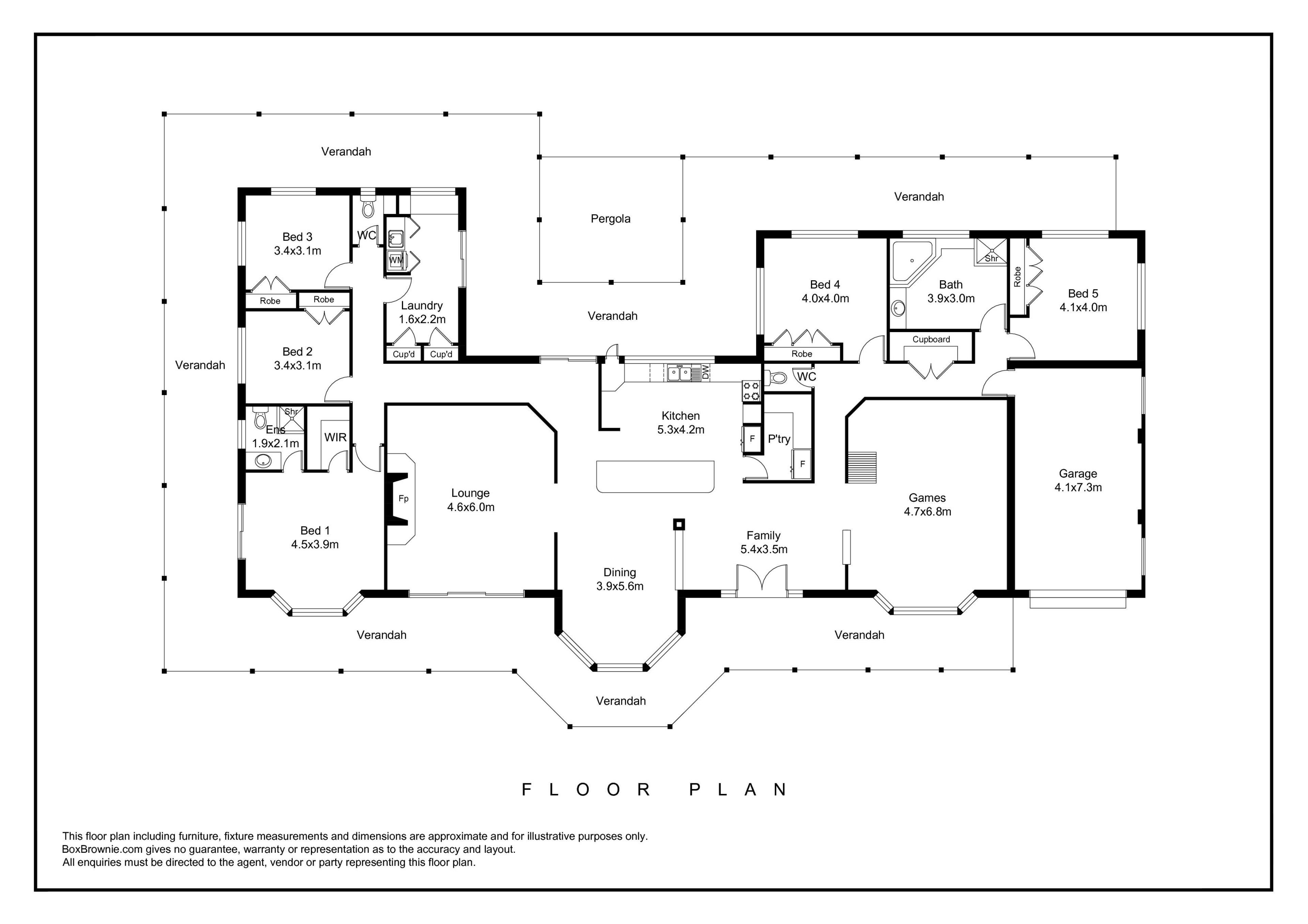
• 5 bedrooms, 2.5 bathrooms + 3 WC
• Granite kitchen with scullery, multiple living areas & wide verandas
• Infinity-edge solar-heated pool, spa, cabana, pizza oven & floodlit tennis court
• Starlink, fibre throughout the property, Sonos surround, 3-phase power & Generator.
Cottage
• The charming 1930s cottage offers 3 bedrooms, 1 bathroom, high decorative ceilings, cosy fireplaces, an alfresco area and a wishing well – full of character and warmth.
Water
• 3 marron-stocked dams, summer creek, bore & extensive rainwater storage
Orchards & Vines
• Netted orchard with citrus, stone fruit, cherries, figs, almonds & chestnuts
• Riesling vines, olive grove, greenhouse & native plantings
Infrastructure
• Asphalt roads throughout the property
• 30m x 12m shed with high truss, solar & mezzanine
• 2 paddocks with cattle yards
• 7 ha pine plantation
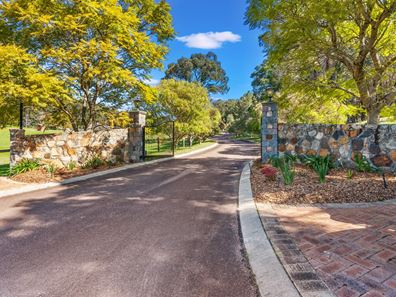
• Underground power, CCTV, remote gates & alarms
"Little Brook" is a rare opportunity to secure a complete lifestyle property – combining luxury, security and natural beauty just over an hour from Perth.
Property features
Listing snapshot by reiwa.com
This land listing located in Dwellingup was sold by Nick Wallace at Bellcourt Property Group South Perth.
If you would like to get in touch with Nick Wallace regarding this property, please call 0409 295 914 or contact the agent via email.
Cost breakdown
-
Council rates: $2,993 / year
Dwellingup overview
Dwellingup is located in a timber and fruitgrowing area in the Darling Range ESE of Pinjarra. Townsite lots were surveyed at this place by Surveyor W.F. Rudall in 1909 after the Lands Department became aware that the site was planned as the terminus of the "Pinjarra-Marrinup Railway". Names suggested for the place by Rudall were "Dwellingerup" or "Marrinup", after nearby brooks, or "McLarty" after a local MLA who had been very active concerning the railway. Surveyor General H.F. Johnston chose "Dwellingupp" after being misinformed regarding the spelling of Dwellingerup Brook. Ignoring a suggestion from the Under Secretary to amend the name to "Dwellingdown", the Minister for Lands approved the name as "Dwellingup" in December 1909. Eventually, the spelling "Dwellingupp" was chosen by order of the Under Secretary for Lands, and the townsite was gazetted as Dwellingupp in February 1910. The spelling was amended to Dwellingup in 1915. Dwellingup is an Aboriginal name said to mean "place of nearby water". The town was burnt out by a bushfire in 1961 but was rebuilt.
The double 'p' spelling in the original gazettal of this name was used because the Lands and Surveys Department had adopted a system for spelling Aboriginal names developed by the Royal Geographical Society. A number of Aboriginal names ending in "up" were for a time spelt with the "upp" ending (including Kirupp, Kulikupp, Manjimupp and Mungalupp). The RGS system had a rule that vowels are pronounced as in Italian and consonants as in English. This would have meant that names ending in "up" should have been pronounced as "oop", because the Italian "u" was a long "u", as in flute. These Aboriginal names were meant to be pronounced as "up", and the Department asked the RGS for a rule to assist in correct pronunciation. The RGS solution was that doubling the following consonant shortened the preceding vowel, and this meant the "upp" ending ensured the "up" pronunciation. However, this particular rule was rescinded in 1915 for SW towns with the suffix "up", as the Australian way of pronouncing the letter "u" was almost always short, and rarely the Italian "oo".
Dwellingup quick stats
High end
$808k
Median
$760k
Low end
$735k
15.2 %
Annual growth
$760k
Annual median sales price
N/A
Annual median rental price
Contact the agent