
Sold
2/17 North Street, Dunsborough WA 6281
Sold price: $2,400,000
Sold: 11 Sep 2025
Sold
-
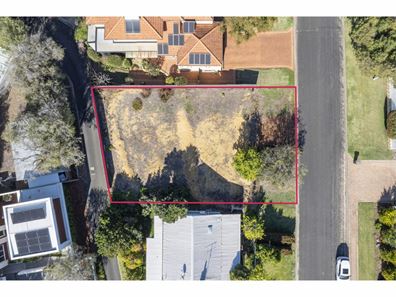
Landsize 450m2
Land
View
BUILD BY THE BAY
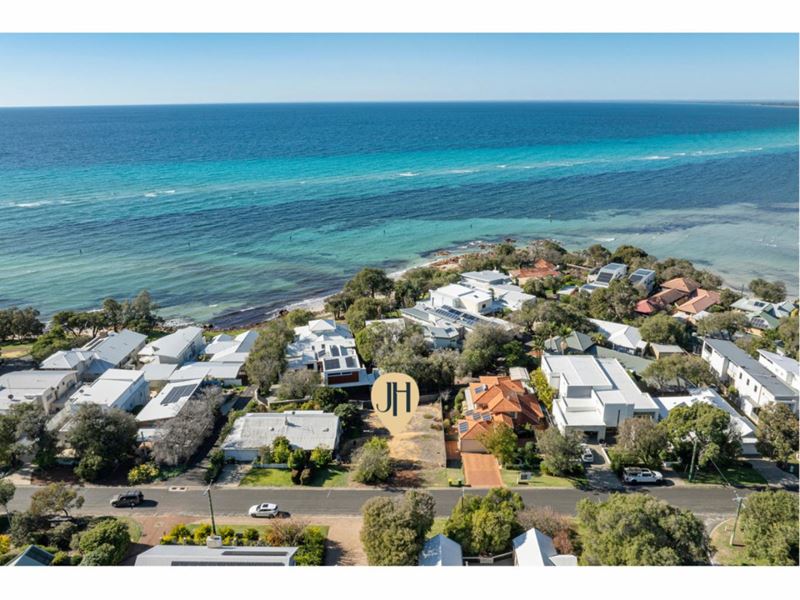
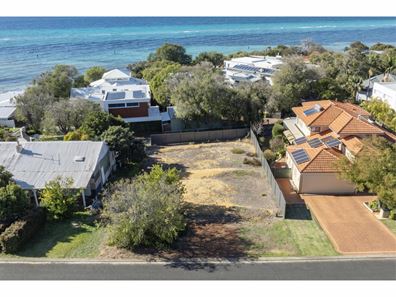
Rare land, coveted location. This 450m² vacant site just steps from the sparkling waters of Geographe Bay presents an exceptional chance to build in the heart of Old Dunsborough.
Partially fenced, this survey-strata block offers two street frontage options and the potential for ocean views with a 7.5m height allowance.
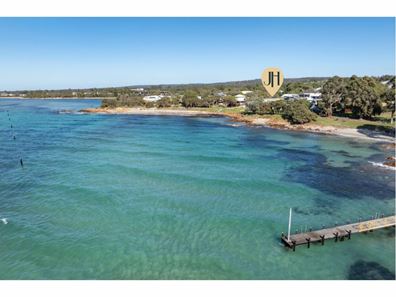
Whether it's your dream home, coastal escape or a sound investment, this sought-after location puts the beach, boat ramp and town centre all within easy reach.
For a more comprehensive brochure or to arrange a site visit please contact Ken Jennings of Team Jennings Hopkins on 0400 591 052.
*Disclaimer: The sellers and/or their agents do not give warranty as to errors or omissions, if any, in these particulars, which they believe to be accurate. Prospective buyers should do their own due diligence as to the accuracy. Any distances referenced have been calculated via Google Maps and are provided as a guide only
Property features
Listing snapshot by reiwa.com
This land listing located in Dunsborough was sold by Team Jennings Hopkins at Jennings Hopkins.
If you would like to get in touch with Team Jennings Hopkins regarding 2/17 North Street, Dunsborough, please call 08 9759 1300 or contact the agent via email.
Cost breakdown
-
Council rates: $3,107 / year
-
Water rates: $1,844 / year
Nearby schools
Dunsborough overview
The townsite of Dunsborough is located on the coast, 12 kilometres southeast of Cape Naturaliste and approximately 19 kilometres of Busselton. It was gazetted as a Townsite in 1879, but land for a townsite was set aside here in the late 1830's, and there is a recorded whale fishery at "Dunsbro" in 1850.
Dunsborough is located adjacent to Dunn Bay from which it derives its name. The bay is believed to have been named by Governor James Stirling , March 1830, whilst on the "Eagle" carrying out a survey of Geographe Bay. It is named after Captain Richard Dalling Dunn, under whom Stirling served on the "Hibernia"120 and the "Armide"38 in 1810-1811 (Stirling named a number of features in Western Australia after naval officers under whom he served or was associated with) When Dunsborough first appeared on a map in 1839 it was spelt "Dunnsbro" but the extra n appears to have disappeared by 1850, and the spelling of "bro" was amended to "borough"when the name was gazetted in 1879.
Dunsborough quick stats
High end
$1.9m
Median
$1.4m
Low end
$1.1m
13.6 %
Annual growth
$1.4m
Annual median sales price
$900pw
Annual median rental price